
- In Stock
Acoustic Sealant in Dubai
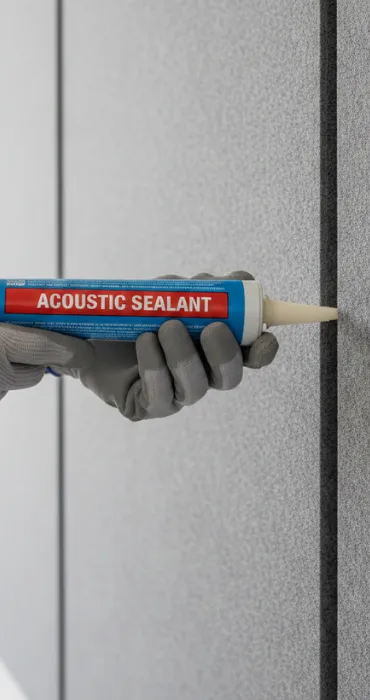
Acoustic Sealant is a high-performance gap-filling compound used to improve the sound insulation of walls, ceilings, floors, and drywall systems. It seals cracks, joints, and openings that allow noise to pass through, creating a continuous acoustic barrier. Ideal for homes, studios, offices, schools, and commercial fit-outs, this sealant stays flexible after curing and is designed for long-lasting performance in both new construction and renovation projects.
Specifications
- Type: Water-based, flexible acoustic sealant
- Application: Walls, ceilings, floors, and penetration points
- Paintable: Yes
- Adhesion: Gypsum, metal, concrete, wood, PVC, and most common building materials
- Use Case: Soundproofing joints, seams, gaps, and perimeter sealing
Key Features of Acoustic Sealant
Acoustic Sealant is designed to close gaps, seams, and openings that weaken soundproofing systems. Its flexible, durable formula helps maintain acoustic performance over time. Below are the main features that make it essential for any soundproofing project.
High Sound Reduction Performance
The sealant fills cracks and joints where sound escapes, creating a continuous acoustic barrier. This improves the overall STC value of walls, ceilings, and flooring assemblies.
Flexible After Curing
Unlike rigid fillers, acoustic sealant stays flexible once dry. This allows it to move with the structure and maintain an airtight seal even with minor vibrations or building movement.
Adheres to Multiple Materials
It bonds well with gypsum boards, concrete, wood, metals, and PVC surfaces, making it suitable for residential, commercial, and industrial applications.
Easy to Apply and Clean
The water-based formula allows smooth application with a standard caulking gun. Uncured sealant cleans up easily with water, reducing waste and mess during installation.
Paintable Surface Finish
After curing, the sealant can be painted to match walls, ceilings, or trims, blending seamlessly with interior designs.
Low VOC and Safe for Indoor Use
Formulated with low emissions, acoustic sealant is safe for homes, offices, and schools when used with normal ventilation.
Benefits of Acoustic Sealant
Acoustic sealant plays a crucial role in improving sound insulation by sealing the small gaps and openings that allow noise to travel between rooms. Here are the key benefits it offers:
01. Improves Soundproofing Performance
By sealing cracks, wall joints, and perimeter gaps, acoustic sealant prevents sound leakage and strengthens the overall performance of the soundproofing system.
02. Enhances Privacy and Comfort
It reduces speech leakage and background noise, making rooms more private and comfortable, ideal for bedrooms, offices, studios, and meeting rooms.
03. Works in Many Building Applications
From drywall partitions and ceiling systems to door frames and floor joints, acoustic sealant adapts to various surfaces and construction layouts.
04. Maintains Performance Over Time
Its flexible formulation prevents cracking, shrinking, or separation, ensuring long-lasting results even as the building settles or changes with temperature.
05. Safe and Easy to Use
Low VOC levels, simple application, and water cleanup make acoustic sealant a practical choice for residential and commercial projects.
Components of Acoustic Sealant
Acoustic sealant is formulated using a combination of materials that ensure strong adhesion, long-term flexibility, and effective sound reduction. Its performance comes from how each component works within the mixture.
Acrylic or Polymer Base
The main body of the sealant is made from a flexible acrylic or polymer compound. This provides strength, elasticity, and long-term adhesion to common building surfaces.
Stabilizers & Bonding Agents
These components enhance adhesion, prevent shrinkage during curing, and keep the sealant stable under temperature changes or minor building movement.
Sound-Damping Additives
Specialized fillers are included to improve sound absorption and reduce vibration transfer. These additives help block airborne noise that would otherwise pass through gaps.
Safe, Low-VOC Formulation
Modern acoustic sealants use low-emission ingredients to ensure safe indoor use. This also allows application in homes, schools, hospitals, and closed environments.
Acoustic Sealant Reviews
See what our customers say about using Acoustic Sealant in their soundproofing projects across the UAE:
Applications of Acoustic Sealant
Acoustic sealant is used to fill gaps, seams, and joints that weaken soundproofing systems. It helps create a continuous acoustic barrier in a wide range of residential, commercial, and industrial environments.
- Drywall Joints
- Ceiling Perimeters
- Floor Edges
- Stud & Track Connections
- Electrical Box Gaps
- Pipe & Cable Openings
- Door & Window Frames
- Acoustic Wall Systems
- HVAC Penetrations
- Acoustic Ceiling Tiles
Frequently Asked Questions
What is Acoustic Sealant and how does it work?
Acoustic sealant is a flexible gap-filling compound used to seal joints, cracks, and openings that allow sound to pass through. It improves the overall soundproofing performance of walls, ceilings, and floors by maintaining an airtight seal.
Can Acoustic Sealant be used with any soundproofing system?
Yes. Acoustic sealant is compatible with drywall partitions, acoustic panels, insulation systems, flooring assemblies, and most standard construction materials.
Is Acoustic Sealant safe to use indoors?
Absolutely. Most acoustic sealants are low-VOC and designed for indoor use in homes, offices, schools, and hospitals when applied with normal ventilation.
How long does Acoustic Sealant take to cure?
It typically becomes surface-dry within a few hours, but full curing may take 24–48 hours depending on temperature, humidity, and thickness.
Do I need a professional to apply Acoustic Sealant?
Small gaps and joints can be sealed by homeowners, but for best acoustic performance, especially in studios, offices, and commercial projects, professional application ensures full coverage and proper sealing.