

Introduction
Traffic on Sheikh Zayed Road, late-night construction in Dubai Marina, or planes over Sharjah can turn any room into a noisy box. That constant outdoor noise wears people down and makes rest or focused work feel close to impossible. If you live next to a busy route, you probably know the feeling of closing the window and still hearing every horn and siren.
Acoustic Glass Windows use special laminated glass and tight frames to block much of that outside sound before it reaches the room. They keep homes, offices, and hotels far calmer inside without shutting out natural light or views.
This guide explains what Acoustic Glass Windows are, how much noise reduction they provide, how they compare to standard double glazing, where they work best in the UAE, and why Shaheen Acoustic is a strong partner for assessment and installation. Whether you are a homeowner, facilities manager, hotel operator, or architect, you will see how a well-chosen window system can quieten life across Dubai, Sharjah, and beyond.
Key Takeaways
Acoustic Glass Windows use multiple glass layers and a sound-dampening interlayer to reduce vibration instead of relying only on glass thickness. They are designed for high-noise environments in busy UAE neighborhoods and keep rooms bright while making them much quieter.
Well-designed acoustic glass can cut up to about 45 dB of noise, and every 10 dB drop feels roughly like the sound level halves. Standard single glass or weak frames cannot deliver that level of comfort in loud areas.
Regular double glazing focuses mainly on heat control and gives only modest sound control. Purpose-built acoustic glazing from a specialist such as Shaheen Acoustic targets traffic, aircraft, and construction noise that standard units struggle with.
Homeowners, office managers, hotel operators, and architects all gain when window choice matches the real noise level on site. A professional acoustic assessment and careful installation keep the performance figures from the lab close to what people feel in daily life.
What Are Acoustic Glass Windows and How Do They Work?
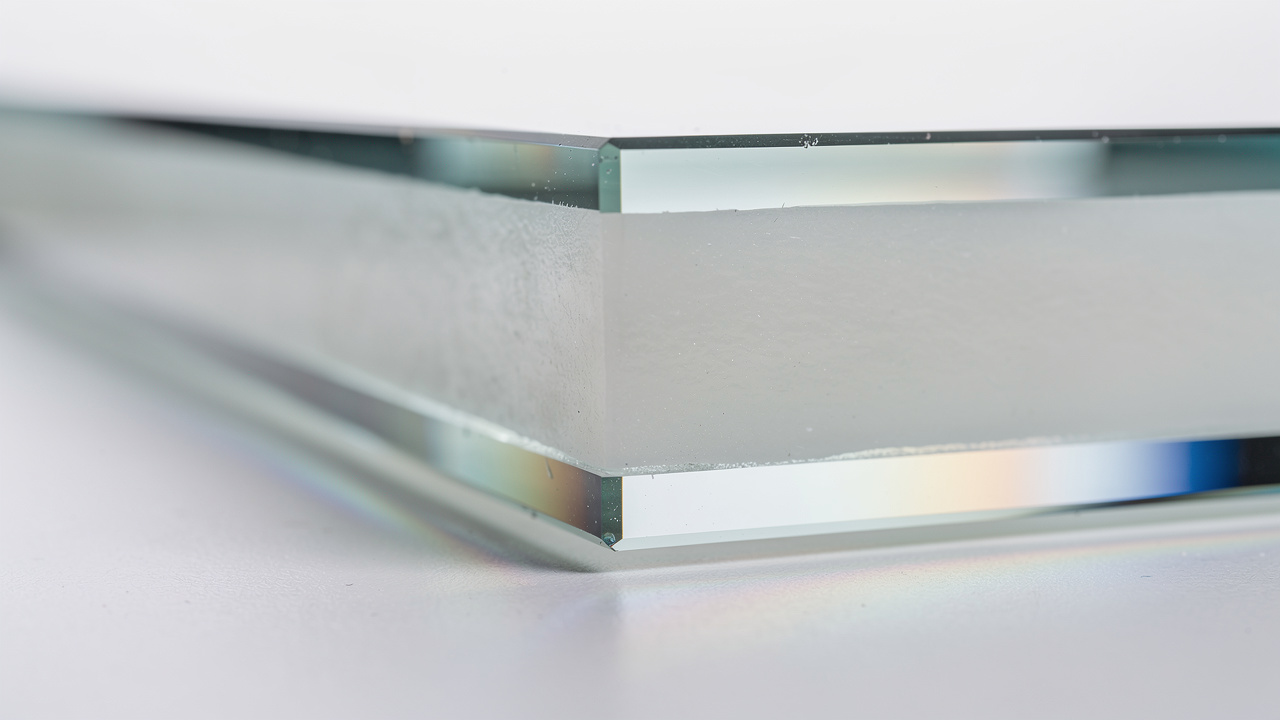
Acoustic Glass Windows are window units built with laminated acoustic glass and tight, treated frames to reduce sound coming from outside spaces. They look like regular windows, but their layers and seals are tuned to cut far more noise from roads, aircraft, and building sites.
Instead of relying on a single thick pane, acoustic glass uses two or more panes bonded by a soft acoustic interlayer such as PVB. This interlayer absorbs sound energy and turns part of that vibration into tiny amounts of heat inside the layer. Because the vibration weakens inside the glass sandwich, far less sound reaches the inside of the room.
Performance is usually shown as an STC (Sound Transmission Class) or Rw rating. A simple single-pane window might sit around STC 27, while well-built Acoustic Glass Windows from Shaheen Acoustic reach STC values in the 45 to 59 range. Since each increase of about 10 STC points feels like half the loudness to the human ear, the difference is easy to hear. According to NIOSH, even moderate cuts in noise reduce stress on the body over time.
Good acoustic windows also pair this laminated glass with tight, well-chosen frames. uPVC or acoustically treated aluminum frames with snug gaskets close the tiny air gaps that normal windows often leave. Shaheen Acoustic pays close attention to these frame details so the glass performance is not wasted at the edges.
How the Technology Works Step by Step
Acoustic glass technology follows a clear series of steps from outside noise to indoor quiet. Understanding these steps makes it easier to see why it outperforms ordinary glass units in real UAE buildings.
Lamination Of The Glass: Two or more glass sheets are bonded with an acoustic interlayer. This layer behaves like a shock absorber for sound waves that hit the glass. Instead of passing straight through, part of the energy is slowed and weakened inside the sandwich. Over the full window area, that drop in vibration adds up to a major noise reduction.
Frame Sealing With Acoustic Gaskets: Acoustic gaskets on all sides keep the frame tight. Shaheen Acoustic uses gaskets that stay flexible and snug even in Gulf heat. They close the small joints where noise would slip around the glass. Without this step, even expensive acoustic glass would lose a large part of its benefit.
Different Glass Thicknesses: Using panes of different thicknesses means the glass sheets do not vibrate at the same pitch. One pane may be 6 millimeters thick while the other is 8 millimeters. This mismatch breaks the “coincidence” effect where equal panes pass specific sound bands, such as bus engines or generator hum, more easily.
Air Or Gas-Filled Gaps: An air or argon-filled gap in double or triple-glazed units adds another barrier, and Accurate and efficient prediction methods now allow engineers to model this performance precisely across multilayer glazing structures before installation. That still layer of gas works like a buffer zone against lower-frequency sounds such as heavy trucks or tower cranes. For apartments near Dubai International Airport or offices along Al Khail Road, this gap is a big part of the comfort gain.
Tip from the Shaheen Acoustic team: Always look at the window as a complete system — glass, frame, and seals — not just the pane thickness.
Why Outdoor Noise Is a Serious Problem in the UAE

Outdoor noise in the UAE often stays high day and night because of dense highways, long work shifts, and active construction zones. Residents near Sheikh Zayed Road, Al Ittihad Road, or Dubai Creek can face steady traffic, horns, and heavy trucks for much of the day.
Health experts now treat constant noise as more than a small annoyance. The World Health Organization links long-term exposure to traffic noise with higher risks of heart disease, poor sleep, and increased stress hormones. The European Environment Agency notes that tens of millions of people in Europe live with road noise above 55 dB, a level that already affects health; busy areas in Dubai or Sharjah often feel similar.
As many acoustic consultants like to say, “Noise is invisible, but your body still reacts to it every single day.”
For families in towers facing Dubai Marina, Jumeirah Lake Towers, or Business Bay, this can mean children who find it hard to fall asleep and adults who wake up often. Over months and years, that lack of true rest harms mood, focus, and relationships at home.
Workplaces in districts such as DIFC, Dubai Internet City, and Abu Dhabi’s Al Maryah Island also feel the impact. Research shared by Nielsen Norman Group shows that frequent noise and interruptions reduce productivity and raise error rates in open-plan offices. When staff in call centers, banks, and medical clinics fight street noise through the glass, their calls feel less professional and more tiring.
Hotels in Downtown Dubai, Deira, and Ras Al Khaimah’s waterfronts see the effect in reviews. Guests often mention road or nightclub noise when sound control falls short, which hurts ratings on platforms such as Booking.com and Expedia. For these properties, Acoustic Glass Windows become part of revenue protection as well as guest comfort.
Acoustic Glass Windows vs. Standard Double Glazing: What’s the Difference?
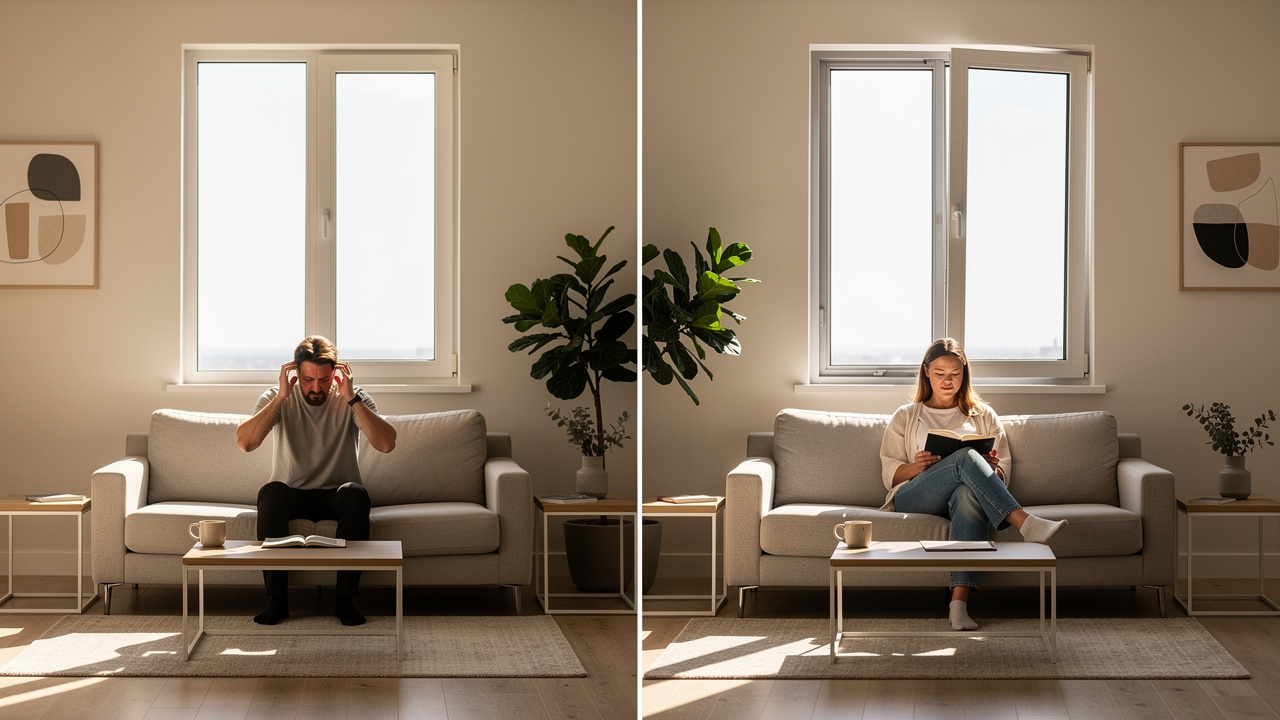
Acoustic Glass Windows are built from the start for sound control, while standard double glazing mainly targets heat and condensation. The two may look similar, but they behave very differently on a noisy UAE street.
Regular double glazing usually has two equal glass panes and a narrow air gap. That setup helps with thermal insulation and reduces fogging between panes. However, its STC rating often sits only around 28 to 33, which means a modest cut in traffic noise.
By contrast, acoustic glass units use laminated panes with acoustic interlayers, different pane thicknesses, and wider gaps — a design approach supported by research into Sound insulation improvements in advanced window systems, including lift-and-slide configurations. Shaheen Acoustic designs many window sets that reach 40 to 45 dB of sound reduction, with STC ratings between 45 and 59. That can make a passing bus outside a tower in Dubai Silicon Oasis sound more like distant background noise inside the living room.
Here is a simple side-by-side view:
| Feature | Acoustic Glass (Shaheen Acoustic) | Standard Double Glazing |
|---|---|---|
| Noise Reduction | High, around 40 to 45 dB | Moderate, around 30 to 35 dB |
| Primary Purpose | Sound control for loud sites | Basic thermal comfort |
| Best Use | Near highways, airports, busy streets | Quiet or medium-noise areas |
| Typical STC Rating | Around 45 to 59 | Around 28 to 33 |
| Installation Flexibility | Custom sizes for new builds and retrofits | Mostly standard sizes |
Acoustic glass brings extra benefits as well. Laminated panes hold together if struck, which improves safety and security for villas and showrooms. Many interlayers also block almost all UV rays, helping protect flooring and furniture in bright spaces like Jumeirah villas or offices in Dubai Design District. The same sealed units that block sound also cut heat gain, which lowers cooling loads on buildings that already rely heavily on air conditioning, as noted by the US Environmental Protection Agency.
Where Acoustic Glass Windows Make the Biggest Difference in the UAE
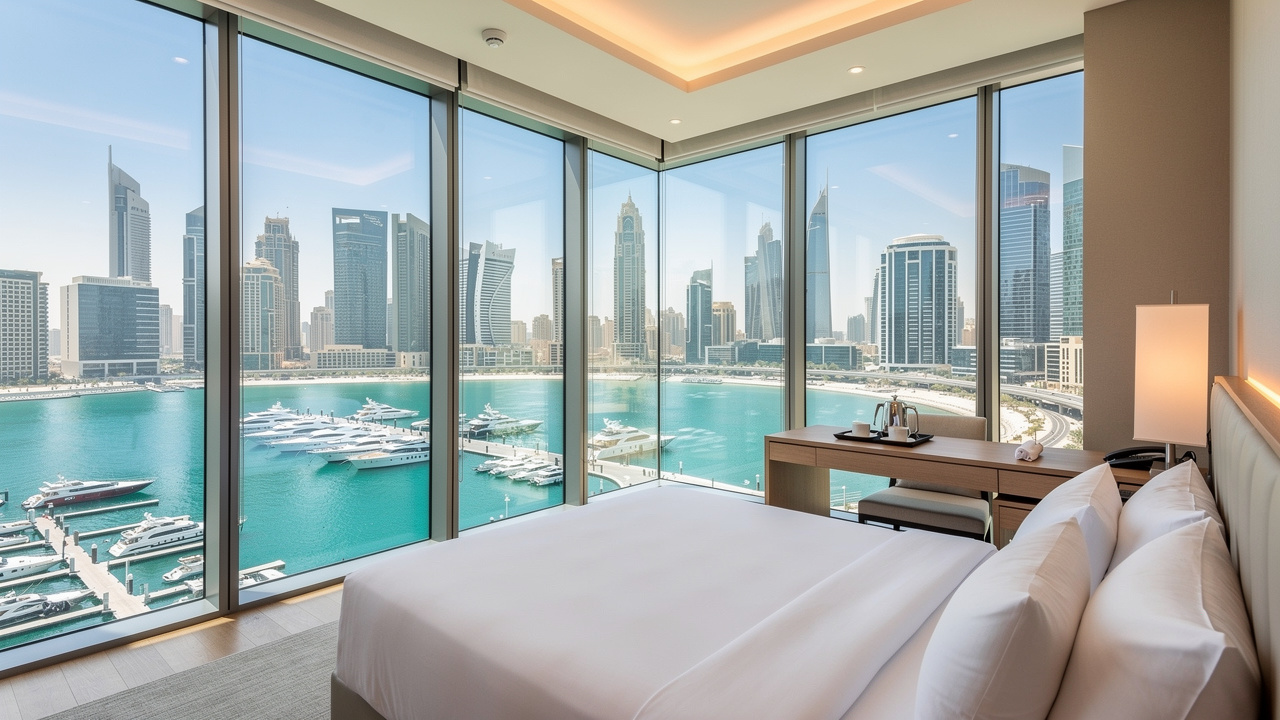
Acoustic Glass Windows create the most value where outdoor noise is frequent and hard to control at the source. In the UAE, that covers a wide mix of homes, workplaces, and public buildings.
Residential Apartments And Villas feel the change strongly. Apartments facing Sheikh Zayed Road, Al Khail Road, or Safa Road deal with cars, motorcycles, and emergency vehicles late into the night. Villas in Mirdif or near Sharjah Airport Road hear aircraft and local street noise. Shaheen Acoustic has installed acoustic glass in bedrooms, living rooms, and balconies so families in these areas can rest and talk without raising their voices.
Corporate And Commercial Spaces gain both focus and privacy. Offices in Business Bay, JLT, and Abu Dhabi’s Corniche districts often sit next to highways or main travel routes. Meeting rooms and C-level cabins facing the city benefit from quieter backgrounds, which gives better audio quality on video calls and clearer speech during client meetings. Law firms, medical clinics, and consultancies also value the way acoustic windows keep private conversations inside.
Hospitality, Education, And Healthcare projects use acoustic glazing to meet guest and user expectations. Hotels in Dubai Marina, JBR, and Yas Island compete strongly on sleep quality; quieter rooms help them earn better review scores and repeat stays, and research on Investigation of the sound insulation performance in building openings highlights how window design plays a central role in achieving this comfort. Schools along busy corridors in Sharjah or Ras Al Khaimah report better student focus when classroom windows reduce nearby traffic and playground noise. Hospitals and clinics from Dubai Healthcare City to private centers in Ajman rely on acoustic glass for both low noise and patient privacy.
Industrial And Specialist Sites such as control rooms, studios, and airports also gain clear wins. Observation rooms in factories around Jebel Ali Free Zone use acoustic glazing to separate staff from machine noise. Recording studios in Dubai Media City and podcast rooms inside coworking hubs use acoustic glass fronts to keep sight lines open while keeping sound in check.
How to Choose the Right Acoustic Glass Window for Your Space
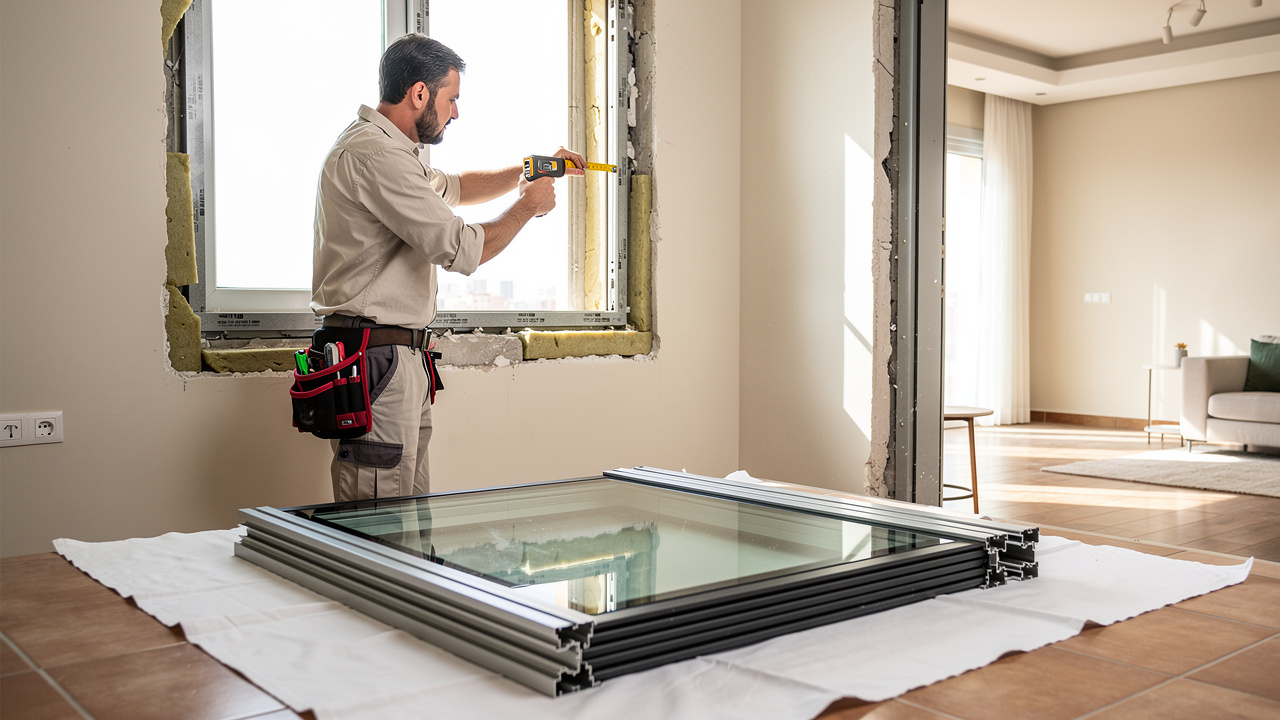
Choosing the right Acoustic Glass Windows starts with matching the glass and frame to the real noise around your building. A quiet villa in Al Warqa needs a different setup from an office above a metro line in Deira.
Identify The Main Noise Source And Tone
Think about where most of the noise comes from and how it sounds — tools for Acoustic performance prediction by statistical energy analysis can help professionals identify the dominant noise frequencies affecting workrooms and living spaces. Traffic and aircraft have strong low-frequency hum, while construction brings a mix of drills, hammers, and impacts. Shaheen Acoustic can measure sound on site and pick acoustic laminated glass or double-glazed units that target those ranges. Higher STC or Rw ratings are suitable for homes or rooms right next to major roads or runways.Choose The Right Frame Type
Acoustic glass performs best with uPVC or acoustically treated aluminum or hardwood frames that close tightly. Frames that flex or are not sealed well allow noise to slip in around the glass. According to guidance from the US Environmental Protection Agency, small leaks around windows greatly reduce both energy and sound performance.Plan For New Build Or Retrofit
For new towers or villas across Dubai, Sharjah, and Ras Al Khaimah, Shaheen Acoustic designs custom units that match the architect’s drawings from the start. For existing apartments in places like JVC or Al Nahda, windows can be sized to current openings so walls do not need heavy changes. Retrofit projects still gain large noise cuts when frames and sealants are handled with care by trained installers.Think Beyond First Cost
Quieter bedrooms mean better sleep, which supports health over many years. Calmer offices in Riyadh, Doha, or Manama can improve staff focus and help companies keep talent in busy Gulf hubs. Shaheen Acoustic supports this full picture with site visits, acoustic design, installation, and post-install checks across the UAE, Saudi Arabia, Qatar, Kuwait, and Bahrain.
Tip: When comparing window options, ask installers for tested STC or Rw values for the full window system, not only glass thickness. That is the number that reflects what you will actually hear.
Wrapping Up
For anyone living or working near busy roads, rail lines, or airports in the UAE, ordinary windows rarely give the calm indoor space people want. Acoustic Glass Windows offer a proven way to cut that outdoor noise while still keeping daylight and city views.
With 15-plus years of regional experience and more than 5,500 completed projects, Shaheen Acoustic brings local knowledge, tested materials, and careful installation to every home, office, and hotel they handle. To discuss a project, call +971 50 209 7517, visit Shaheen Acoustic, or stop by the Sharjah Industrial Area 2 office for a site-based consultation.
Frequently Asked Questions
Question 1: How much noise can acoustic glass windows realistically block?
Acoustic glass windows can cut up to around 45 dB of outside noise in well-designed systems. This usually means an STC rating between 45 and 59 for Shaheen Acoustic units. Real results depend on frame quality, sealing, and how other wall elements handle sound.
Question 2: Can acoustic glass windows be installed in existing apartments or buildings?
Yes, acoustic glass windows can be fitted into existing openings in most apartments, villas, and offices. Shaheen Acoustic measures each opening and produces custom-sized frames that slide into the current space with limited breaking or masonry work.
Question 3: Are acoustic glass windows worth the investment in Dubai?
For many Dubai locations, acoustic glass is worth it because it improves sleep, comfort, and privacy in loud districts. The same units also cut heat gain, which can reduce cooling costs and support property value. Businesses gain quieter, more focused workspaces that support productivity.
Question 4: What is the difference between acoustic laminated glass and acoustic double glazing?
Acoustic laminated glass uses two panes bonded with a sound-dampening interlayer for safety and moderate noise control. Acoustic double glazing adds a sealed air or argon cavity beside the laminated pane, which improves both sound and thermal performance. In the UAE climate, this setup suits homes and offices near main roads.
Question 5: Does Shaheen Acoustic offer acoustic glass windows outside Dubai?
Yes, Shaheen Acoustic serves clients across Dubai, Sharjah, and Ras Al Khaimah, and also works on selected projects in Saudi Arabia, Qatar, Kuwait, and Bahrain. Regional clients can contact the team to discuss site visits, design needs, and logistics for their location.