
- In Stock
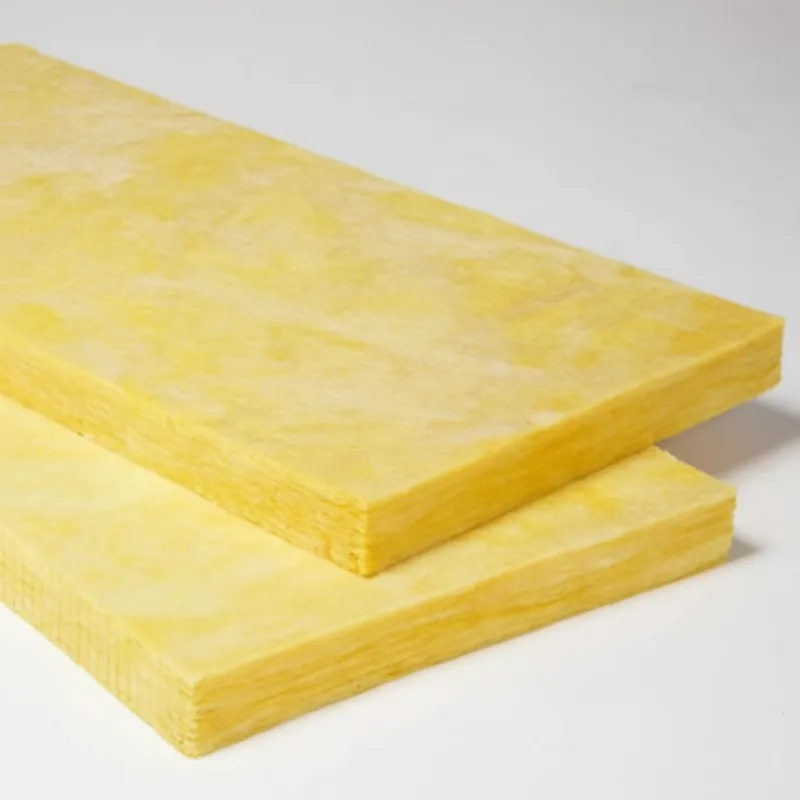
Sound Insulation Panels in Dubai
- Available in 25mm and 50mm thickness
Specifications
- Available Thickness: 25mm, 50mm (Custom thickness available)
- Sizes: Any dimension or design to meet architectural requirements
- Acoustic Properties: NRC up to 1.15 (varies with core, thickness, and mounting)
- Density: 48 kg/m³, 64 kg/m³, 96 kg/m³
Key Features of Sound Insulation Panels
Sound insulation panels are designed to reduce noise transfer between spaces while maintaining structural stability.
High Noise Blocking
Sound insulation panels reduce noise transfer between rooms and from outside sources. This helps control sounds such as traffic, conversations, machinery, and general building noise that can disturb daily activities.
Better Privacy
By blocking sound movement, these panels prevent voices and activities from being heard in nearby rooms. This is especially useful in offices, meeting rooms, bedrooms, and shared living spaces where privacy is important.
Quiet Comfort
Reducing unwanted noise creates a calmer and more comfortable indoor environment. Quieter spaces improve focus, rest, and overall well-being in both homes and workplaces.
Wide Use
Sound insulation panels can be used in many types of buildings, including residential, commercial, and industrial spaces. They adapt well to different structures and layouts without affecting interior design.
Strong Build
These panels are made to maintain their density and performance over time. Once installed properly, they continue to block sound effectively without sagging, breaking, or losing efficiency.
Long-Term Value
Sound insulation panels provide a lasting solution to noise problems. They reduce the need for repeated fixes and help improve property value by enhancing comfort and usability.
Benefits of Sound Insulation Panels
Sound insulation panels are used to solve real noise problems in buildings. They focus on stopping sound from moving between spaces, helping create quieter, more comfortable, and more private environments.
01. Noise Reduction
Rooms feel noticeably quieter once sound insulation panels are installed. External noise and sound from nearby rooms are reduced, making the space more peaceful and controlled.
02. Improved Privacy
People inside the room can speak, work, or relax without worrying about sound leaking outside. This is especially valuable in offices, meeting rooms, bedrooms, and medical spaces.
03. Better Focus
Lower noise levels help people concentrate better. Whether it’s working, studying, or resting, fewer sound distractions improve productivity and comfort.
04. More Comfortable Living
Constant noise can be tiring and stressful. Sound insulation panels help create a calmer indoor environment that feels more comfortable throughout the day.
05. Suitable for Everyday Use
Once installed, the panels work quietly in the background without affecting how the room looks or functions. There is no need for adjustment or ongoing attention.
Components of Sound Insulation Panels
Sound insulation panels are built using layered materials that work together to block sound from passing through building structures. Each component plays a specific role in stopping noise and ensuring long-term performance.
Dense Core Layer
The core is the main sound-blocking element of the panel. It is made from high-density material that adds mass to walls or ceilings, making it harder for sound waves to pass through. The heavier and denser the core, the better it performs in reducing noise transmission.
Structural Facing
The facing layer holds the panel together and provides strength during handling and installation. It allows the panel to be fixed securely inside wall systems, partitions, or ceilings without breaking or deforming.
Bonded Insulation Layers
Multiple bonded layers help slow down sound vibrations as they move through the panel. This layered structure improves overall sound blocking performance and reduces sound leakage between spaces.
Installation Support Surface
This surface allows the panel to be installed tightly against walls, frames, or ceilings. Proper contact and sealing are important to avoid gaps, which can reduce sound insulation effectiveness.
Sound Insulation Panels Reviews
Here’s what our clients say after installing sound insulation panels to reduce noise and improve comfort in their spaces:
Applications of Sound Insulation Panels
Sound insulation panels are suitable for a wide range of acoustic applications where noise reduction and sound blocking are required.
- Hotels
- Industrial Areas
- Offices
- Outdoor Barriers
- Soundproof Doors
- Construction Projects
- Marine Soundproofing
- Hospitals
- Generator Noise Control
- Classrooms
- Home Walls
- Ceilings
- Floors
- Music Studios
- Home Theaters
Professional Sound Insulation Installation Services
At Shaheen Acoustic, we provide professional installation of sound insulation panels for walls, ceilings, partitions, and floor systems. Before installation, our team assesses the noise source, room layout, and structural conditions to ensure the panels are placed correctly for effective sound blocking.
Sound insulation panels are installed within wall cavities, behind drywall systems, or above suspended ceilings, depending on the building design. Proper sealing around edges, joints, and service openings is carefully handled to prevent sound leakage, which is essential for achieving reliable results.
Whether used in residential spaces, offices, studios, hotels, or commercial buildings, our installation process focuses on accuracy, secure fixing, and long-term performance. This ensures the panels continue to reduce noise effectively and improve indoor comfort over time.
Frequently Asked Questions
What are sound insulation panels used for?
Sound insulation panels are used to block noise from passing between rooms or from outside into a building. They help reduce unwanted sounds such as traffic, conversations, and general building noise.
Do sound insulation panels absorb sound?
No. Sound insulation panels mainly block sound transmission. Acoustic panels are used to absorb sound inside a room to control echo and reverberation.
Where can sound insulation panels be installed?
They can be installed inside walls, ceilings, partitions, and floor systems as part of a soundproofing setup.
Are sound insulation panels suitable for homes?
Yes. They are commonly used in bedrooms, apartments, and houses to reduce noise from neighbors or outside sources.
Can sound insulation panels be used in offices and commercial buildings?
Yes. They are widely used in offices, meeting rooms, hotels, hospitals, studios, and other commercial spaces.