
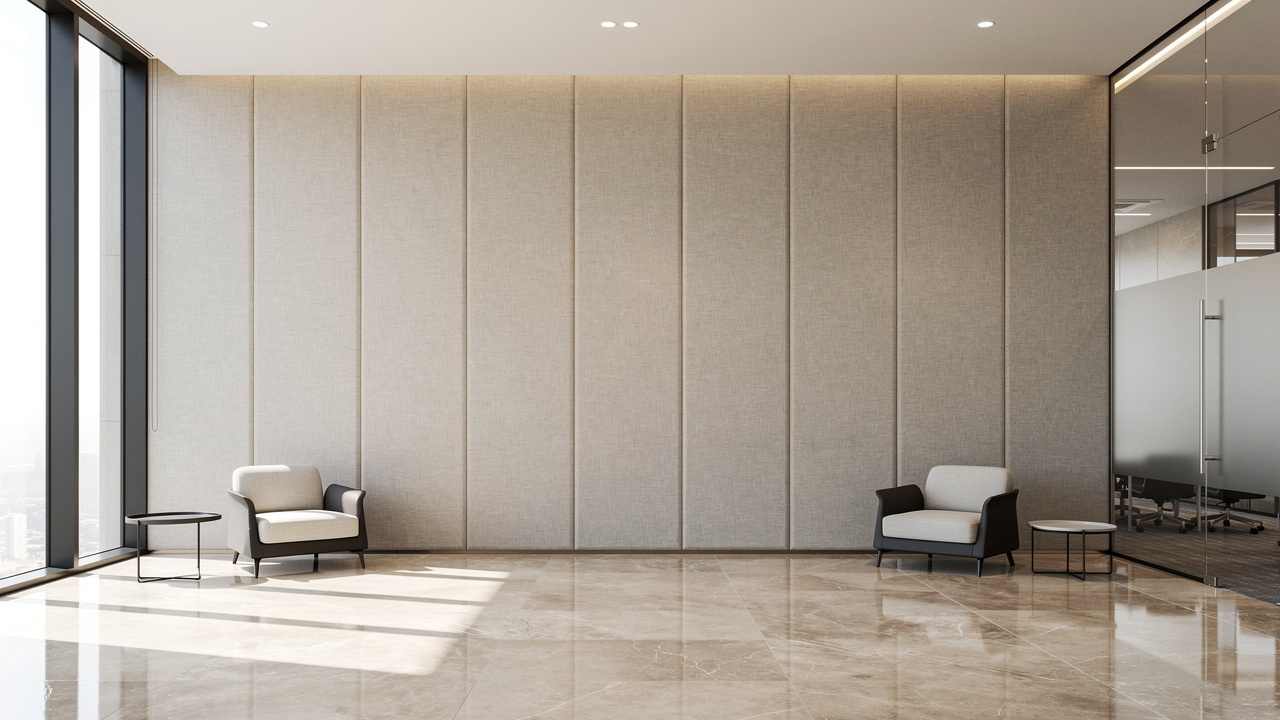
Beautiful apartments, offices, and restaurants across the UAE often look stunning yet feel noisy and tiring because of echo and harsh sound. Hard glass, marble, and concrete surfaces keep reflecting every voice, chair scrape, and clinking plate.
Acoustic stretch panels give these modern spaces strong sound control while still looking like high‑end interior finishes. These panels use a fabric surface stretched over sound‑absorbing material to cut reverberation, improve speech clarity, and calm busy rooms. In this guide, acoustic stretch panels are explained in simple terms, with examples from Dubai and across the UAE, plus clear steps on how to choose the right system.
The next sections show how these panels work, why they fit UAE interiors so well, how they support interior design, how Shaheen Acoustic customizes panels for branding, and how to select and install them correctly. Read on to see how a space can look refined and sound comfortable at the same time.
Key Takeaways
Key points from this guide help readers see how acoustic stretch panels solve noise and design problems in one move. This quick summary supports fast decisions for homes, offices, and hospitality projects across the UAE.
Acoustic stretch panels absorb echo while presenting a smooth fabric or wood‑style surface that matches modern interiors. They turn hard, reflective rooms into calmer spaces where conversations feel easier. This keeps the focus on people and activities instead of background noise.
These systems suit many UAE settings including open‑plan offices, restaurants, hotel lobbies, meeting rooms, apartments, and villas. Designers and facility managers can work with a single acoustic language across different areas. That keeps projects consistent and easier to manage.
Custom printed acoustic panels place logos, Arabic calligraphy, artwork, and patterns directly on the sound‑absorbing surface. This keeps brand presence strong without hanging extra signage. It also frees large walls to work as both acoustic treatment and design feature.
Shaheen Acoustic provides a diagnosis‑first process, product selection, and professional installation for projects across Dubai and the wider UAE. The team works with eco‑friendly materials and fire‑tested systems. With 15+ years of experience and more than 5,500 completed projects, the company offers reliable local support from design through aftercare.
What Are Acoustic Stretch Panels and How Do They Work?
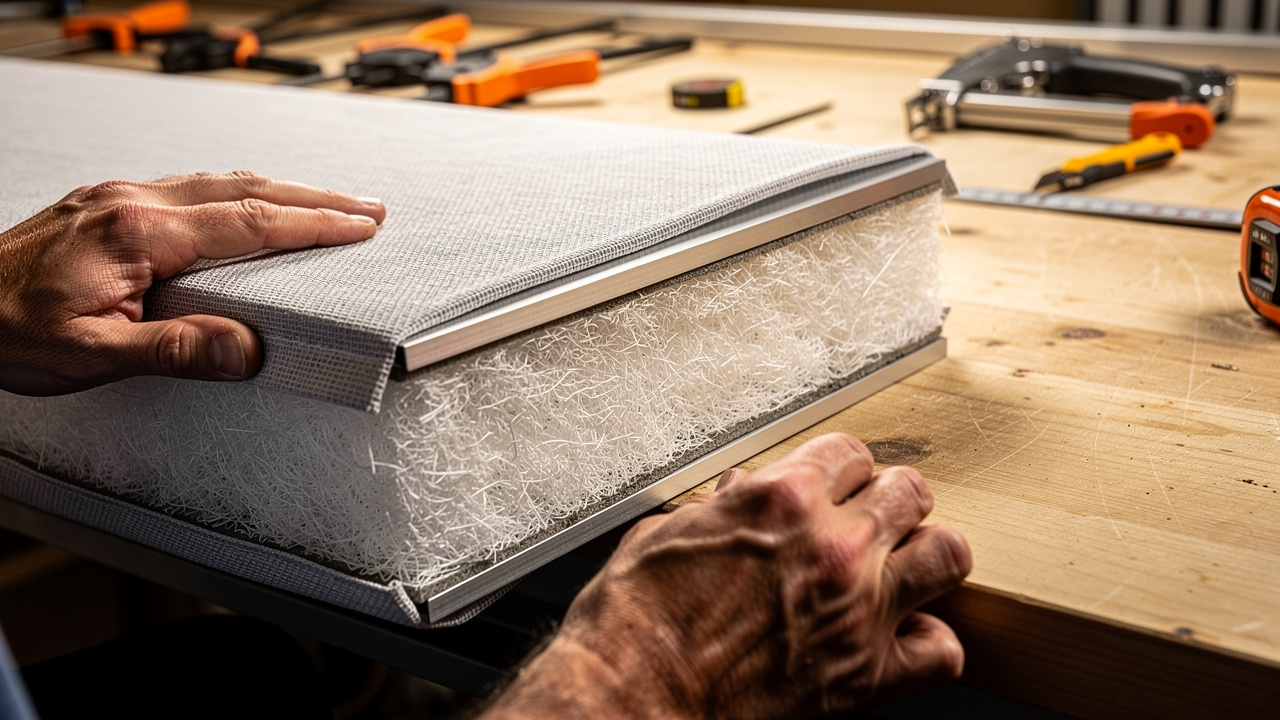
Acoustic stretch panels are framed systems with acoustically transparent fabric stretched over sound‑absorbing infill to reduce echo and noise. They act like a soft, hidden buffer on top of hard surfaces, without spoiling the clean lines of a space. The result is a wall or ceiling that looks like a smooth fabric finish while working quietly in the background.
Inside each panel sits a rigid aluminum or timber frame filled with fiberglass, polyester fiber, or mineral wool. Sound waves pass through the fabric layer, enter the porous infill, and lose energy as tiny amounts of heat — a mechanism studied extensively in research on Low-frequency sound transmission loss through sandwich-style acoustic panels. This process cuts reverberation time and lowers overall noise in the room. Research from Armstrong Ceilings and Saint Gobain Ecophon shows that well‑designed acoustic panels can reach Noise Reduction Coefficient (NRC) values between 0.75 and 1.0, which means they absorb most of the sound that hits them.
Traditional foam tiles often look industrial and can age poorly in dusty or humid climates. By contrast, acoustic stretch panels sit flush to the surface, hide fixings, and come in refined fabrics that match high‑grade interiors. For clients in Dubai, Abu Dhabi, and Sharjah, this matters, because offices and homes often mix glass walls, polished stone, and concrete that create long reverberation times. According to the World Health Organization, prolonged noise exposure affects sleep, stress levels, and heart health, so acoustic comfort is not only about luxury.
Here is a simple comparison that highlights the difference.
| Feature | Acoustic Stretch Panels | Basic Foam Tiles |
|---|---|---|
| Visual impact | Smooth fabric or wood‑style finish that blends with design | Exposed blocks that often look temporary |
| Acoustic range | Handles speech and broader frequency bands with proper thickness | Often focused on mid and high tones only |
| Durability in UAE climate | Dust‑resistant fabrics and aluminum frames suited to heat and humidity | Foam can discolor, crumble, or collect dust over time |
Why UAE Interiors Specifically Need Acoustic Stretch Panels

UAE interiors use glass partitions, high concrete ceilings, and stone floors that reflect sound strongly, so acoustic stretch panels are especially helpful here. These materials visually express luxury and openness, yet they bounce noise around, which makes rooms feel busy and tiring. When many people talk at once, voices blend and concentration drops.
Open‑plan offices in Business Bay, DIFC, and Abu Dhabi Global Market often host sales teams, customer support, and management in the same air volume. Research from Leesman shows that noise and lack of privacy rank among the most common complaints in open‑plan workplaces worldwide. In such spaces, acoustic stretch panels on key walls and ceilings cut cross‑talk, improve speech privacy, and support focused work without breaking up the layout with tall partitions.
Restaurants and cafés in Dubai Marina, Jumeirah, and Sharjah face similar issues. Hard tabletops, large windows, and exposed ceilings amplify every chair movement and conversation. Studies referenced by SoundPrint show many urban restaurants exceeding 75 decibels during peak hours, which already feels tiring for normal conversation. With well‑placed acoustic stretch panels, operators calm the room, extend guest comfort, and support repeat visits.
Residential towers in Dubai and Sharjah often frame living areas with concrete walls and large glazing, and research into the Exploration of the Optimal wall-to-floor ratio shows how building proportions directly influence both structural cost and acoustic performance. In these apartments, sound from televisions, children, and street traffic can linger. Acoustic stretch panels installed behind sofas, along corridors, or in bedrooms soften the sound without changing the interior style. For villa projects, Shaheen Acoustic often combines fabric panels with acoustic wood slats to keep a warm, high‑end look while handling echo in double‑height spaces.
Facility managers, architects, and interior designers across the UAE now treat acoustic comfort as a core performance target, not a late add‑on. This shift reflects a simple fact backed by Harvard Business Review commentary that better acoustics tie directly to productivity, guest satisfaction, and perceived quality of a brand.
Tip From Shaheen Acoustic: “Plan for acoustics as early as possible in a project. It costs far less to allow for panel zones in the first drawings than to fix a noisy office or restaurant after it opens.”
How Acoustic Stretch Panels Improve Interior Design Without Compromise
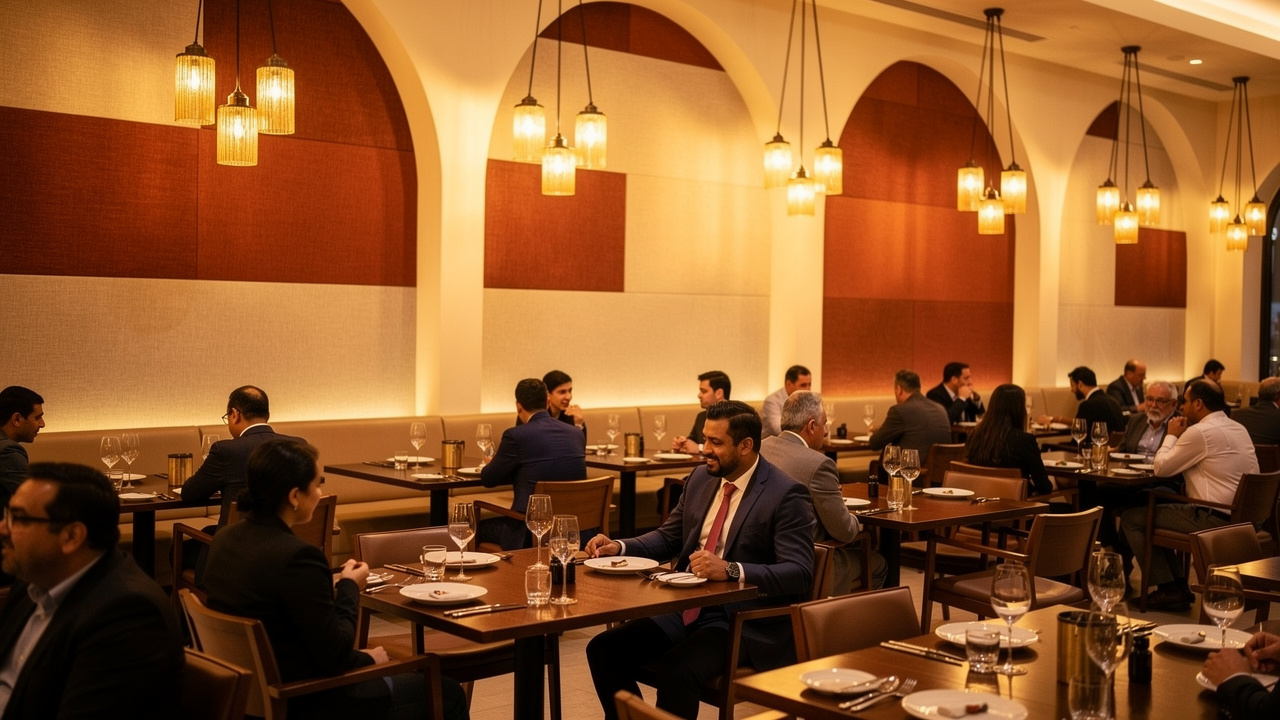
Acoustic stretch panels support interior design by acting as a customizable finish rather than a technical afterthought. Because the fabric or wood visible layer can match the color and texture of the scheme, designers keep full control over the visual language of the space. Panels can appear as calm, solid surfaces, subtle patterns, or bold feature walls.
Color options span neutral corporate palettes, rich hospitality tones, and bright shades for schools or creative studios, with acoustic designers increasingly guided by research on the Design of a Dynamic acoustic control solution that balances visual and sonic outcomes in shared spaces. Texture choices range from smooth weaves to more tactile fabrics that add depth to a wall. For some projects, Shaheen Acoustic coordinates the panel fabric with soft furnishings so that acoustic treatment feels like part of the furniture package. In other cases, the team uses acoustic wood panels with measured gaps and felt backing to deliver both linear timber detail and sound absorption, an approach validated by work on the Application of Hybrid Absorptive–Diffusive panels that demonstrates how wooden overlays achieve variable acoustic characteristics.
Placement also influences design. Panels can run wall to wall in reception areas, appear as framed bands behind desks, or hang from ceilings as floating clouds. In high lobbies or atriums, horizontal ceiling clouds break up sound reflections while keeping the glass and marble surfaces largely untouched. In offices, framed acoustic stretch panels behind workstations provide a calm backdrop on video calls and improve speech clarity in front of microphones.
How Shaheen Acoustic’s Custom Printed Panels Work
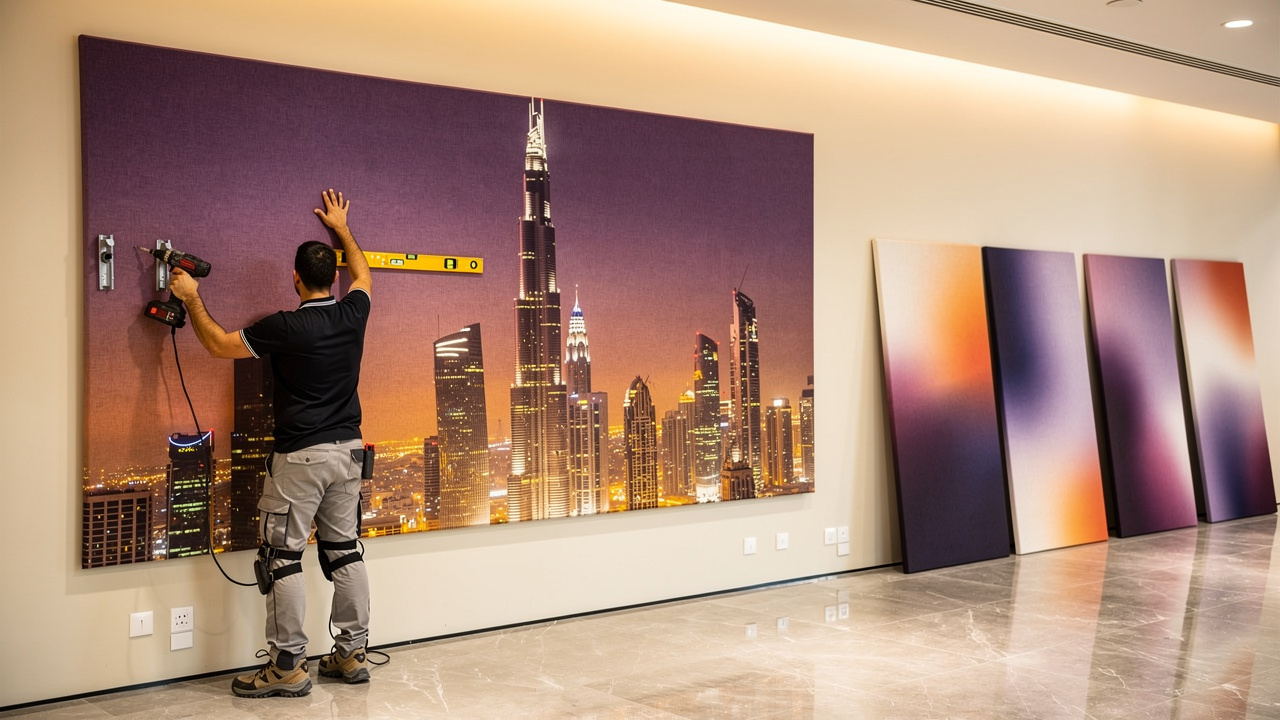
Custom printed acoustic panels from Shaheen Acoustic merge branding, art, and noise control on a single surface. A short planning phase covers artwork selection, resolution checks, and color matching so that the final image looks sharp at full‑wall scale. This avoids the common issue where low‑resolution files appear blurry once enlarged.
UV printing technology places the design directly onto PET‑based acoustic panels, fabric acoustic panels, or wooden acoustic panels. The ink bonds with the surface and keeps colors stable for indoor use, so logos and calligraphy stay clear over time. Tests from large‑format print manufacturers show UV‑cured prints resist fading under typical interior lighting conditions.
These custom panels appear in corporate reception areas, hotel corridors, media studios, and retail showrooms across the UAE. A law firm might show a subtle skyline of Dubai behind its reception desk, while a café could display Arabic patterns on ceiling panels that quietly cut reverberation. Shaheen Acoustic manages alignment across multiple panels so large murals read as one continuous image, all while keeping the acoustic performance that clients expect.
How to Choose the Right Acoustic Stretch Panel for Your Space
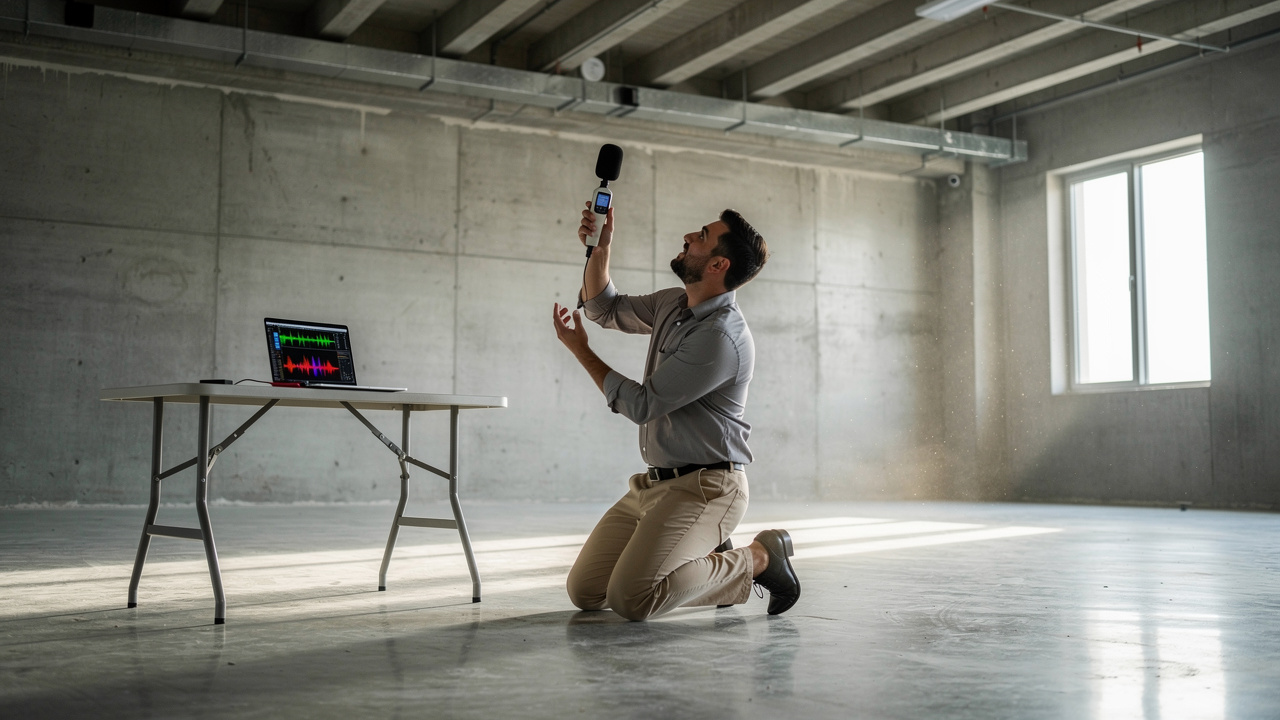
Selecting the right acoustic stretch panel system starts with understanding the main noise problem in the room. Some spaces suffer from general echo, others struggle with low‑frequency rumble from HVAC or traffic, and some need added speech privacy. A quick walk test, hand clap, or short recording often reveals where sound lingers or feels harsh.
Shaheen Acoustic supports this step with on‑site assessments across Dubai and the wider UAE. Measurements of reverberation time, room volume, and surface finishes feed into a simple acoustic model. Guidance from the Acoustical Society of America suggests that speech‑focused rooms work best with reverberation times below about 0.8 seconds, which is often far lower than untreated concrete and glass spaces.
Key selection factors include the following, informed in part by studies such as the Estimating the Ratios of masonry wall and wall finishing work relative to building area, which highlights how surface-area ratios guide practical acoustic coverage decisions.
Panel thickness and infill density determine which frequencies are controlled best. Thicker panels in the 75 to 100 millimeter range handle low and mid frequencies better, which suits home theaters and music areas. Thinner panels from 25 to 50 millimeters mainly refine speech clarity in offices, classrooms, and restaurants.
Fabric choice must be acoustically transparent while still matching the design concept. Dense decorative textiles that bounce sound are avoided for front faces. Shaheen Acoustic uses tested fabrics with known airflow resistance so that sound passes through to the infill. At the same time, the team checks color fastness and cleanability for UAE conditions.
Coverage area has a direct effect on results. Guidelines from Shaheen Acoustic and suppliers such as Ecophon show that covering around 20 to 40 percent of combined wall and ceiling surfaces often produces a clearly audible reduction in echo. Very reverberant spaces, such as mosque halls or sports areas, may need more area treated.
Fire safety compliance is mandatory for UAE projects. Panels in commercial buildings must meet Dubai Civil Defence requirements and carry Class A or Class B fire test reports according to ASTM E84 or similar standards. Shaheen Acoustic only specifies systems that pass these checks and provides documentation to design teams and authorities.
Diagnosis‑first planning protects investment. By mapping reflection points and key listening positions before installation, Shaheen Acoustic selects the correct mix of stretch fabric panels, printed panels, and acoustic wood. This avoids the common situation where panels are installed randomly and fail to solve the main problem.
Tip From The Shaheen Acoustic Site Team: “If you only treat one surface, start with the ceiling. It usually gives the biggest improvement without changing how the room looks at eye level.”
Wrapping Up
Acoustic stretch panels bridge the gap between quiet, comfortable rooms and refined interior design. They sit where walls and ceilings already exist, quietly absorbing sound while presenting fabric, print, or wood finishes that belong in premium UAE spaces. Correctly chosen and installed panels change how a room feels without drawing attention to the acoustic layer itself.
Conclusion
For homes, offices, hotels, and restaurants across the UAE, acoustic stretch panels solve noise problems and design challenges in one coordinated system. They reduce echo, improve speech clarity, and offer wide visual options, from calm solids to full‑wall artwork. The key lies in matching panel type, thickness, coverage, and fabric to each space.
Shaheen Acoustic brings 15+ years of local acoustic experience, eco‑friendly materials, and a trained installation team to that task. From first site visit to final clean up, every step focuses on measurable acoustic improvement and a finish that suits the project brand. To discuss a new build or retrofit, contact Shaheen Acoustic at +971 50 209 7517 or visit shaheenacoustic.com.
Frequently Asked Questions
Question 1: Are acoustic stretch panels suitable for residential apartments in Dubai?
Acoustic stretch panels suit high‑rise apartments very well. Hard concrete walls, large windows, and tile floors in Dubai homes often create strong echo. Panels installed in living rooms, bedrooms, home offices, and home theaters calm the sound without bulky construction. Shaheen Acoustic has delivered many such installations across Dubai apartments and villas.
Question 2: How long does it take to install acoustic stretch panels?
Installation of acoustic stretch panels is usually faster than wet plaster or tiling because it is a dry‑fix process. Smaller rooms such as meeting spaces or bedrooms often finish within a day. Larger offices, restaurants, or hotel areas may take several days, depending on ceiling height and access. Shaheen Acoustic plans work to keep disruption low.
Question 3: Can acoustic stretch panels be cleaned and maintained easily in the UAE’s climate?
Most acoustic stretch panel fabrics are dust‑resistant and clean with a soft cloth or mild detergent solution. In the UAE climate, Shaheen Acoustic specifies moisture‑resistant and UV‑stable materials so panels cope with humidity and sunlight. If fabric is damaged, panels can often be re‑covered without changing the frame, which keeps long‑term costs down.
Question 4: Do acoustic stretch panels comply with UAE fire safety regulations?
High‑quality acoustic stretch panels can comply with Dubai Civil Defence and other UAE fire safety rules. Shaheen Acoustic supplies systems with Class A or Class B fire‑rated fabrics and infill materials tested to standards such as ASTM E84. Clients still need to check certificates for each project and submit them during approval.
Question 5: What is the difference between acoustic stretch panels and soundproofing?
Acoustic stretch panels mainly improve room acoustics by cutting echo and reverberation inside the space. Soundproofing, by comparison, focuses on blocking sound from passing through walls, floors, or ceilings between rooms. For projects needing both quiet rooms and privacy between areas, Shaheen Acoustic combines stretch panels with heavier wall constructions based on a site assessment.